
Introducing (and manifesting) human digitalisation
A new wave of digitalisation is emerging, human-centred, AI-powered, and regulation-driven. It aims to fix the harm of past systems by prioritising user needs, clarity, and accessibility.

“Human digitalisation” is incoming. Some powerful factors are combining which put us on the cusp of a second wave in digital transformation, a movement toward real digitalisation, with the human at the centre. This new wave can be very different. It can be human-centred, AI-powered, and regulation-driven. It can deliver on the promise of Software, Made Human.
Humans: at the centre
The first wave of digitalisation wasn’t built for humans. It was built for organisations with humans as a ‘consideration factor’. The primary metrics were efficiencies and cost-savings. The result was a masterclass in pushing complexity downriver, to the end user. We became the unpaid data-entry clerks, the beta testers for clunky interfaces, the backstop for processes that were streamlined for the company, not the customer. These digital tasks given to us were characterised by drudgery, dread, or both.
And design was the punchbag. At best, reduced to downstream-level interface tinkering, brand-guidelines beautification. At worst, actually involved in deliberate anti-pattern creation, the kind of work that poisoned social media platforms and made billions for plutocrats.
This observation isn’t new. It’s the central thesis of Cory Doctorow’s work on enshittification. The process by which digital platforms, once useful, slowly decay into a morass of ads, manipulative design, and frustrating experiences that benefit the platform at the expense of everyone else.
But let’s be clear that human-centred design is critical. If you need the evidence, here is some:
- McKinsey research found that organisations that prioritise user-centric design achieved 32% higher revenue growth compared to their peers. Other research shows that a mature design thinking practice can achieve a return on investment of between 71% and 107%.
- Accenture’s 2024 Technology Vision was titled “Human by Design: How AI Unleashes the Next Level of Human Potential.” It argues that the next major technology shift is about making technology more human-like and intuitive. Their research shows that 93% of executives agree it is more important than ever for organisations to innovate with purpose, taking a balanced, “human by design” approach.
- Governments and public agencies are increasingly turning to user-centred design to improve service delivery. Ireland’s Department of Public Expenditure now has an Action Plan for Designing Better Public Services. Denmark introduced the world’s first national design policy in 1997, and in 2024 Denmark ranked 1st in the world in terms of quality of life.
On a wave of regulation
Digital experiences have been a playground for dark patterns, design choices that trick users into doing things they didn’t mean to. Signing up for recurring payments. Navigating a labyrinth to cancel a service. Acidic.
But there are encouraging signs that era is coming to an end. Forthcoming legislation, like the enhanced Consumer Protection Code and the European Accessibility Act, is about to make life very difficult for non-compliant organisations. These aren’t just suggestions; they are legal frameworks that will redefine the responsibilities of service providers. It may not happen tomorrow, but in time, for those who refuse to adapt, a day of reckoning is incoming.
Nowhere is this shift more apparent than in consumer banking and financial services. According to the guidance on digitalisation from the Central Bank of Ireland, a truly user-focused programme of design in financial services will have to ensure:
- Digital platforms are actually helpful. Platforms must be designed to be “easy to use and navigate with appropriate supports provided”. Firms will be required to offer guidance on how to use their digital tools, tailored to the customer’s profile and the platform’s complexity.
- Accessibility is non-negotiable. Digital services must be accessible to everyone. This means compatibility with screen readers, functionality with voice commands, full navigation without a mouse, and readable font sizes. This isn’t a “nice-to-have”; it’s a foundational requirement.
- Information is clear, not overwhelming. Instead of burying users under a mountain of text, firms should use techniques like layering, tabs, drop-down menus, or collapsible sections, to break down complex information.
- Design encourages understanding. The way information is presented matters. Important information cannot be fragmented across multiple, vaguely labelled hyperlinks.
- An end to exploitative design. Digital platforms and engagement practices must not be “designed to unfairly exploit the behaviours, habits, preferences, or biases of customers”. Apply “pause features” during high-risk online transactions to give the consumer a moment to consider.
AI: slop is the sideshow
And so to AI. The pearl-clutching about AI slop forgets that we already have something far worse than slop: a dysfunctional digital ecosystem at the system level. The current model crushes both end users who want to get stuff out and the value contributors (artists, writers, independent businesses) who want to put stuff in. Great! This is why right now, we can’t have nice things.
This is also where the third pillar of real digitalisation lies. We actually can harness and control at least some AI, whether through an open agentic web model or through AI-produced / AI-tested digital touchpoints, in service to human-centred design principles and guided by robust consumer protection regulations. One that can finally deliver on the original promise of the web.
An AI that can:
- Make appeals on your behalf (thank you Joshua Browder of DoNotPay, now 10 years old).
- Find the actual best-value train ticket.
- Convert T&Cs into plain language.
- Build an interface in real-time to meet your specific accessibility needs.
This is a tangible future we can build. Enshittification was not inevitable. It was the result of a set of V1 priorities, that put corporate efficiency above human experience. The coming wave of real digitalisation can correct that imbalance. By putting the human first, the regulations in place, and the AI to work, we can finally create a digital world that serves us, not the other way around.
TL;DR: We’ve spent years drowning in digital services that are frustrating by design. But a new wave is coming. The combination of AI + human-centred design + strong regulation gives us a real chance to accelerate and build a more human digital experience. We can eliminate drudgery. Get tasks done. And get out more.
Keep reading
More insights.

It's never just a patch: the human side of a critical security fix
When critical PHP vulnerabilities were announced on 21 October, we checked every system we support and contacted every client, affected or not. This is how we kept clients informed, which decisions we left to them, and why no fix skipped our usual checks.
 Gwen Vaughan ·

Between the Wild West and the walled garden: how to build a trusted, secure agentic layer
AI agents will soon book appointments, switch energy, broadband and insurance for people. What CSOs, CTOs and CIOs need to settle first is identity, authority and trust. Marino Software has a track record in partnership with enterprise and organisations in regulated sectors. In this post, we look at a near future where people hand everyday admin to AI agents… and the security and trust decisions service providers need to make before they open the door.
Ed Melvin · 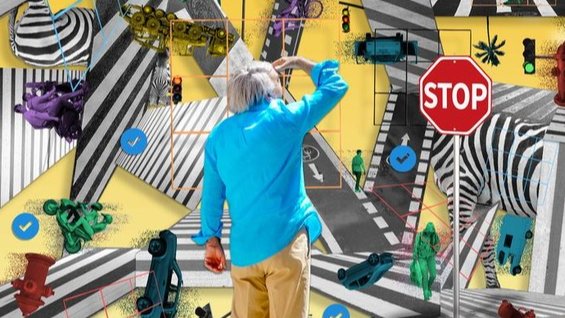
The board wants AI governance evidence by Friday. Can you produce it?
Marino Software has a track record in partnership with enterprise and organisations in regulated sectors. This is the second post in our AI governance scenarios series - where we look at the pressure points AI is creating inside organisations, and what real and workable answers look like.
Ed Melvin ·