Myndgard, Bridging the gap in mental healthcare through AI-powered passive tracking
A spin-out from Trinity College Dublin, Myndgard built a digital platform using AI and passive behavioural data to transform mental healthcare waiting periods into proactive assessment periods, enabling continuous monitoring and swifter clinical interventions.
The brief
The global mental health crisis is compounded by a critical bottleneck: the “waiting room.” Millions of people suffering from depression and anxiety face months-long waitlists for professional care. During this period, patients often receive no support, and their conditions can deteriorate. Traditional mental health monitoring also relies heavily on subjective “spot-checks” during rare therapy sessions, which may not capture the nuances of a patient’s daily life or early warning signs of a relapse.
The goal
A spin-out from Trinity College Dublin, Myndgard set out to transform the “waiting period” into a proactive “assessment period.” The goal was to build a digital platform that uses Artificial Intelligence and passive data to provide a continuous, objective view of a user’s mental wellbeing.
By giving both clients and therapists real-time insights, Myndgard aimed to enable swifter interventions, reduce therapist burnout, and improve long-term clinical outcomes.
The solution
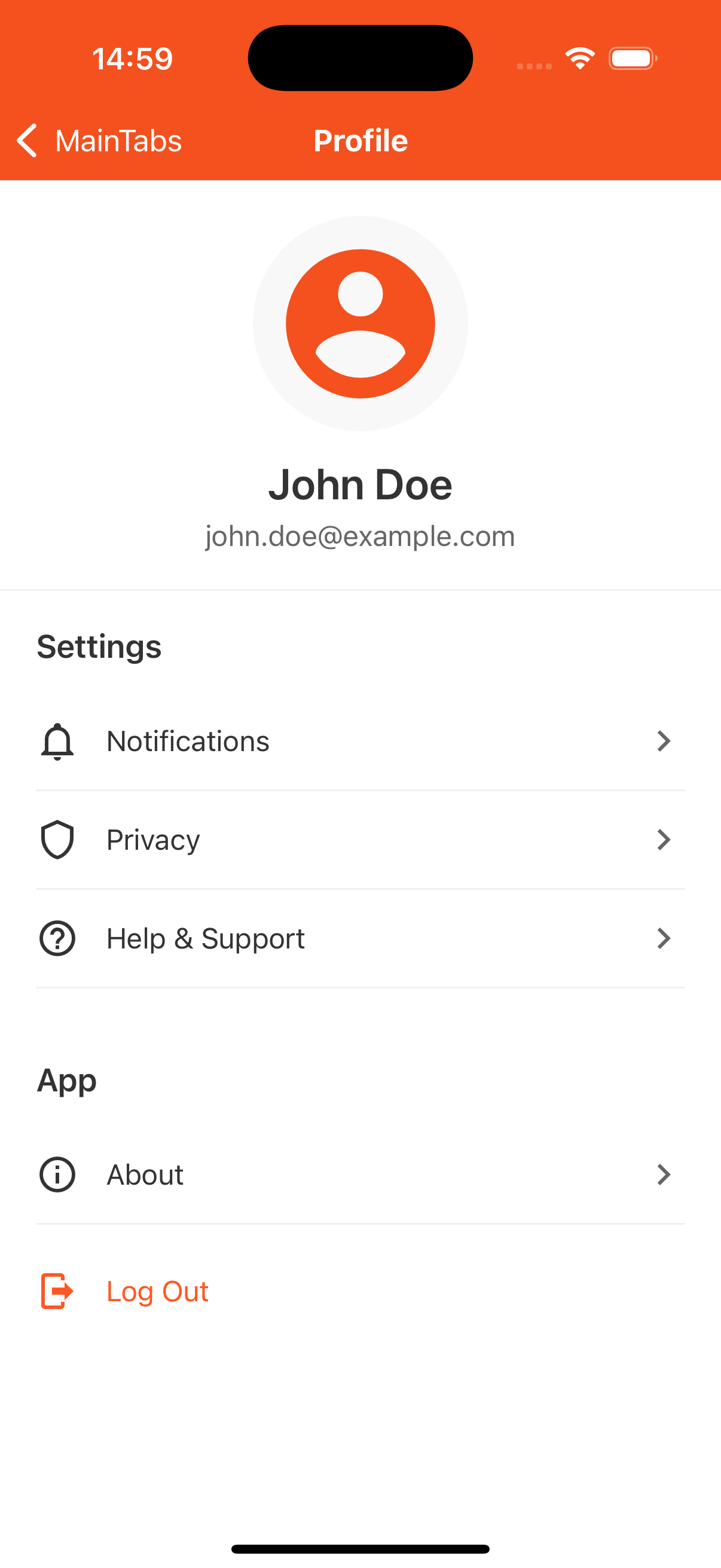
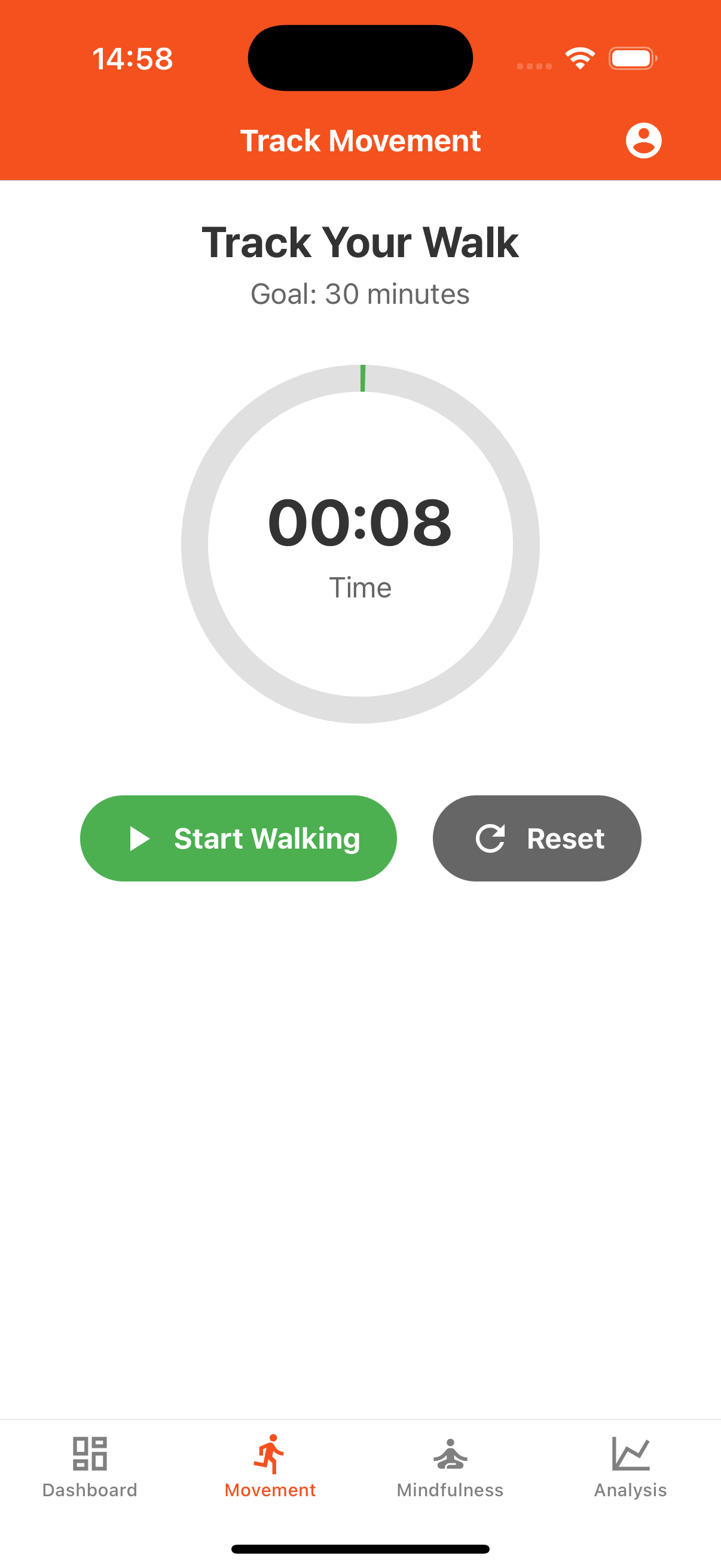
The team developed a sophisticated mobile application that blends traditional clinical metrics with cutting-edge behavioural analysis:
- Passive data tracking. With user permission, the app monitors behavioural markers such as movement, location patterns, and social interaction. This creates a “behavioural model” of the user’s everyday life without requiring manual input.
- Clinical integration. The app supplements passive data with gold-standard clinical questionnaires (PHQ-9 for depression, GAD-7 for anxiety) to validate its AI-driven predictions.
- Therapist dashboard. For “Myndgard Pro” users, the platform generates detailed pre-therapy reports, allowing clinicians to see patterns in sleep, productivity, and mood before the first session even begins.
- On-demand support. While on waitlists, users receive personalised feedback and mindfulness tools to maintain hope and develop self-awareness.
The outcome
Myndgard has successfully shifted the paradigm from reactive to preventive mental healthcare:
- Efficiency gains. The platform is projected to double the number of patients a single clinic can support without increasing headcount, by streamlining the assessment process.
- Early detection. The AI algorithms can identify signs of declining mental health or potential relapse before the user is even consciously aware of them, allowing for timely corrective action.
- Validated acceptance. Clinical trials (including one with UCD students) showed that delivering therapy insights via mobile devices is highly acceptable to younger demographics, who are more comfortable sharing digital data.
- Reduced burnout. By providing therapists with a “head start” on data, the platform reduces the administrative and diagnostic burden, allowing them to focus on high-impact therapeutic work.
“The era of the mobile phone brought great opportunities to break down barriers… Myndgard is creating a space where individuals can have a tangible, objective understanding of their mental well-being.”
Dr. Edel Crehan, Co-Founder & Senior Clinical Psychologist, Myndgard
More from Healthcare
Related work.

ReVoice
Helping Charlie Bird and others with Motor Neurone Disease speak with their own voice.

Thrombocalc, precision dosing for clinicians
A mobile application that automates complex Enoxaparin dosage calculations for treating venous thromboembolism, eliminating manual calculation errors and improving patient safety in hospital settings.